
Answer Engine Optimization in Practice: The DiscoverArt Case Study
Everyone in our field is writing about how search is changing in the age of AI. Fewer people have shipped a real product built for it from the ground up. We did — so this post is less theory and more field notes.
DiscoverArt www.discoverart.com is a ZINC product: a taste-graph discovery engine for art. You react to a handful of paintings, it learns your eye, and it brings you works you'll love from the world's great museum collections. It's also, deliberately, one of the most thoroughly answer-engine-optimized sites we've built — a live testbed for the AEO tactics we recommend to clients.
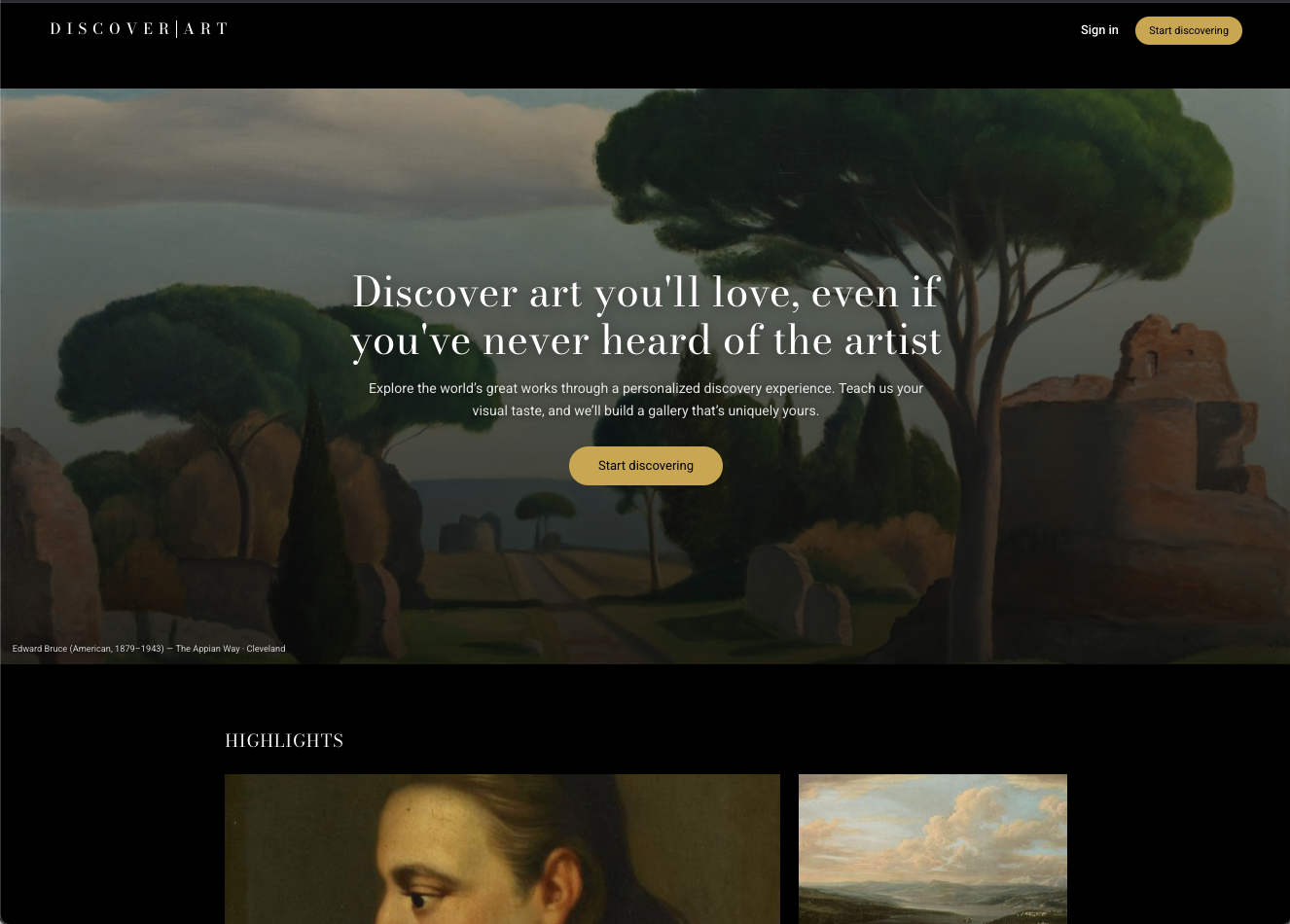
"The DiscoverArt landing experience. Every surface is built to be both human-delightful and machine-legible."]
Answer engine optimization (AEO) is the practice of structuring content so AI systems — ChatGPT, Claude, Perplexity, Google's AI Overviews — can understand it, trust it, and cite it. Classic SEO earns a blue link. AEO earns a mention inside the answer.
People don't just search "Mona Lisa" — they ask "why is the Mona Lisa so famous?", "why is The Starry Night so famous?" , "what's the difference between Monet and Manet?
Tactic 1: Write the question, then answer it in the first sentence
Every editorial page on DiscoverArt is built around a single question and a direct answer stated up front. That answer stands on its own, because a model quoting the page lifts a sentence or two, not the whole article. You can see it across the DiscoverArt stories library
Tactic 2: Make the page machine-legible with structured data
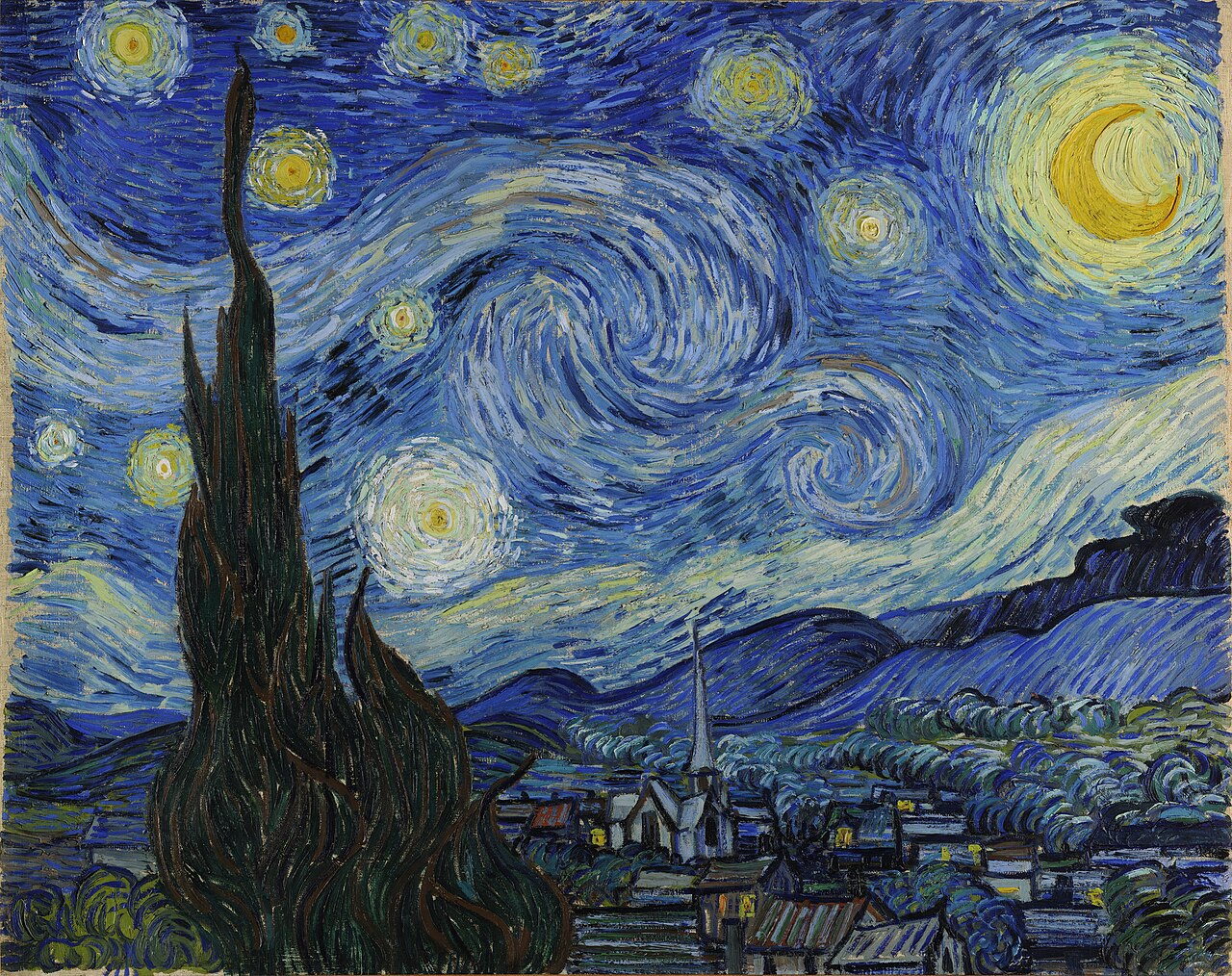
Humans read layout; machines read schema. DiscoverArt uses JSON-LD at every level: FAQ Page and Article schema on stories, Visual Artwork on each work — for example Van Gogh's "The Starry Night" tagged with creator, date, medium, dimensions — and Museum schema on pages like the Mauritshuis
The Starry Night — caption: "Vincent van Gogh, The Starry Night (1889). On DiscoverArt this image carries VisualArtwork structured data so an answer engine reads it as a fact, not a picture."]
Tactic 3: State your sources and your editorial standards
AI systems weight trustworthiness heavily and increasingly read a site's llms.txt. DiscoverArt's states its policy directly: art history written by people and sourced; no AI-generated art history; no ratings. Telling an answer engine why your content is reliable is itself an optimization.
Tactic 4: Depth and internal linking that mirrors how people ask
A single page rarely wins; a well-linked cluster does. DiscoverArt pairs its catalog with editorial stories that link to the relevant artist pages and museums. That web shows an answer engine the site covers a topic in genuine depth.
The point: AEO rewards being genuinely useful
None of these are tricks. Say clearly what's true, make it legible to machines, prove it's trustworthy, cover the subject with depth. See it working: go discover art you'll love browse the stories behind the masterpieces, or read what DiscoverArt is all about, And if you want this thinking applied to your product, that's what we do at ZINC
Explore Our Latest Insights
Stay updated with our recent blog posts.



Stay Updated with Our Newsletter
Stay updated with our latest insights. Subscribe, comment, and share your thoughts with us!